
Lumber
Quality selection and pre-sale to post-sale service that you won’t have to second guess.
Our lumberyard stocks:
• Pressure-treated lumber for posts and framing
• Structural lumber such as dimensional lumber (2x4s, 2x6s, etc.) for framing and bracing
• Plywood and oriented strand board (OSB) for sheathing and roofing
• Engineered wood products like laminated veneer lumber (LVL) for beams and headers
• Post brackets and hardware accessories
• A Lineup of Premium and Standard Fasteners including nails, screws, and bolts
• Lumber treatments and preservatives for long-term durability
Quality Centric Selection
Quality service starts with people who actually know post frame. When a customer calls or walks in, they aren’t handed off to a generic order taker—they talk to someone who understands loads, layouts, and the realities of building on a real site. The job isn’t just to sell lumber or steel; it’s to catch problems early, explain tradeoffs clearly, and make sure what’s on the truck actually matches what’s on the plan.
We Deliver to Your Jobsite
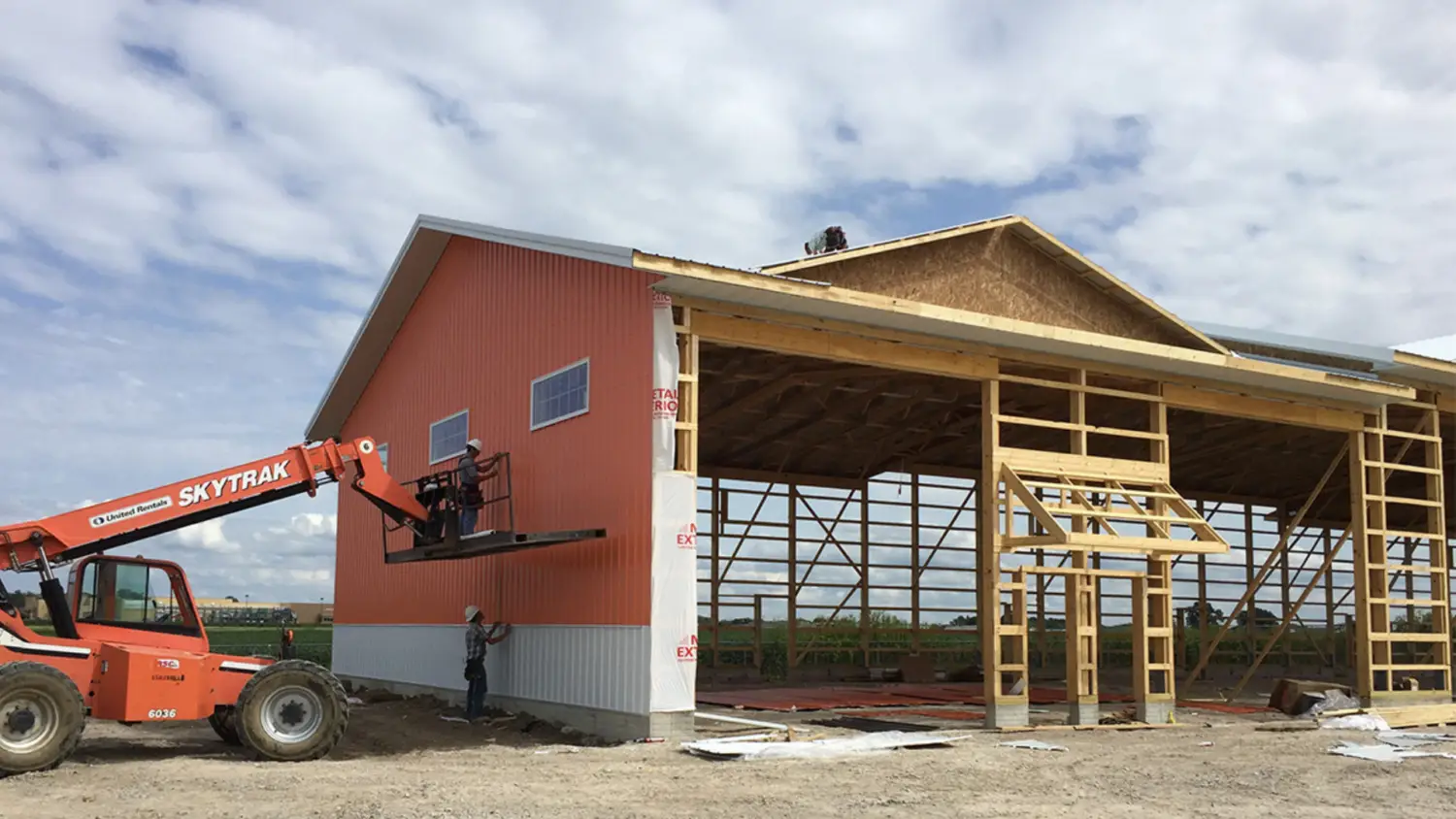
Reliable delivery is just as important as the materials themselves. Builders plan around concrete pours, crews, and weather windows, so missed or vague delivery times cost real money. We focus on clear lead times, scheduled delivery windows, and communication if anything changes, so you’re not standing in a muddy job site wondering where your posts and trusses are.
Post Sale Service
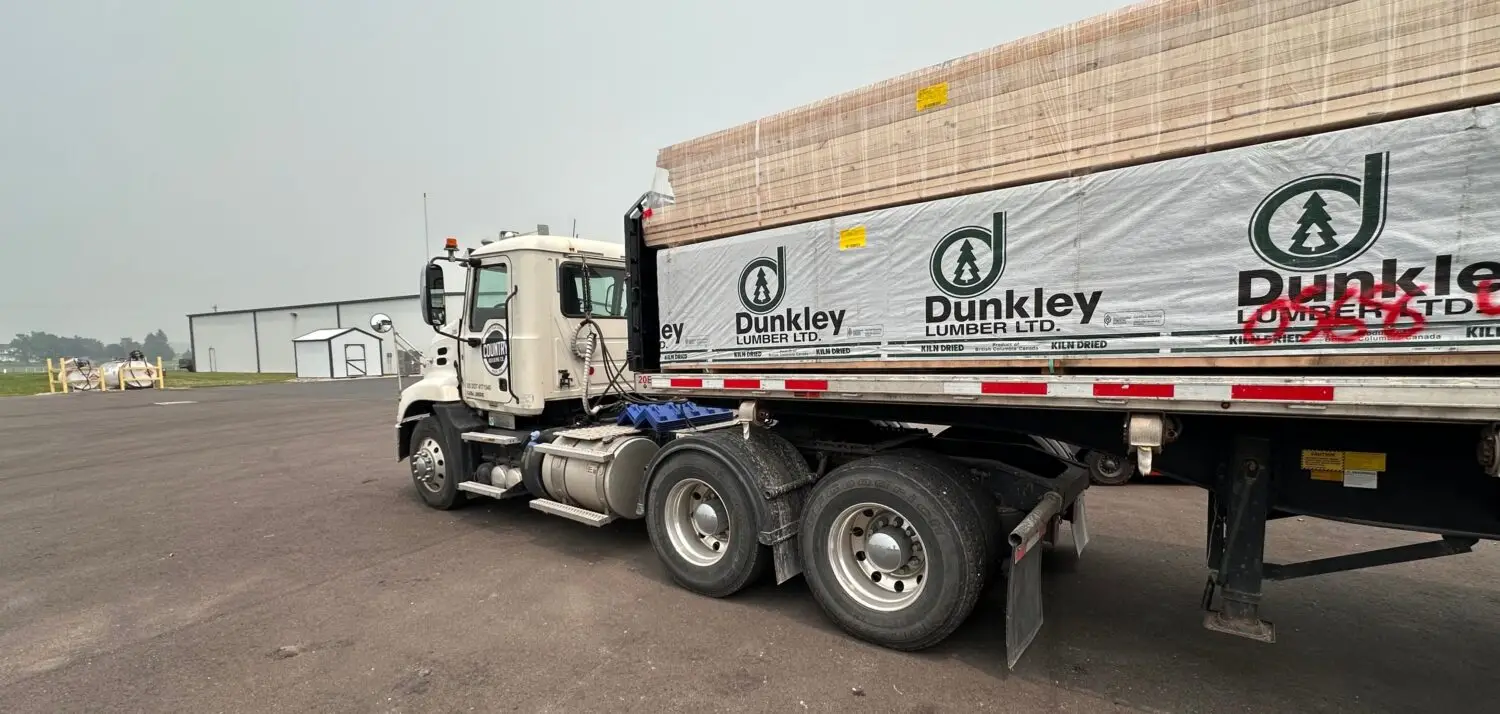
Finally, good service shows up in the details after the sale. That means clean, organized loads that are easy to stage, accurate counts that don’t leave you short three posts on a Friday, and a team that owns it when something goes wrong. When there’s a problem, the answer isn’t excuses—it’s quick fixes, replacement material, and a clear path to keep your project moving.
FAQ
Q: Which lumber in a post frame building needs to be treated?
A: Any lumber that is in contact with the ground, embedded in concrete, or within splash/contact distance of grade should be pressure‑treated for ground contact. Above‑grade framing that stays dry and protected (like wall girts and interior framing) is typically untreated structural lumber. that you are a good fit for them.
Q: Do you offer laminated posts, or only solid‑sawn posts?
A: We can supply both solid‑sawn and laminated posts. Laminated posts are often straighter and more dimensionally stable, and they allow us to build posts in longer lengths while maintaining consistent strength and treatment.
Q: Can you supply lumber to match my engineered post frame plans?
Yes. If you provide a materials list or engineered drawings, we can quote and supply the specified sizes, grades, and treatment levels. We can also help your designer optimize the lumber package for availability and cost.
A frequently asked question surrounding your service
We’re a supply company first, but we can review your plans and coordinate with your building designer or engineer to ensure the lumber package aligns with the building’s design loads and local code requirements.
How long will treated posts last in the ground?
With proper treatment rating, good drainage, and correct installation, treated posts are designed for long‑term structural use. Actual lifespan depends heavily on soil conditions, drainage, and whether the building is kept dry at grade.
What sizes are your wall girts and roof purlins?
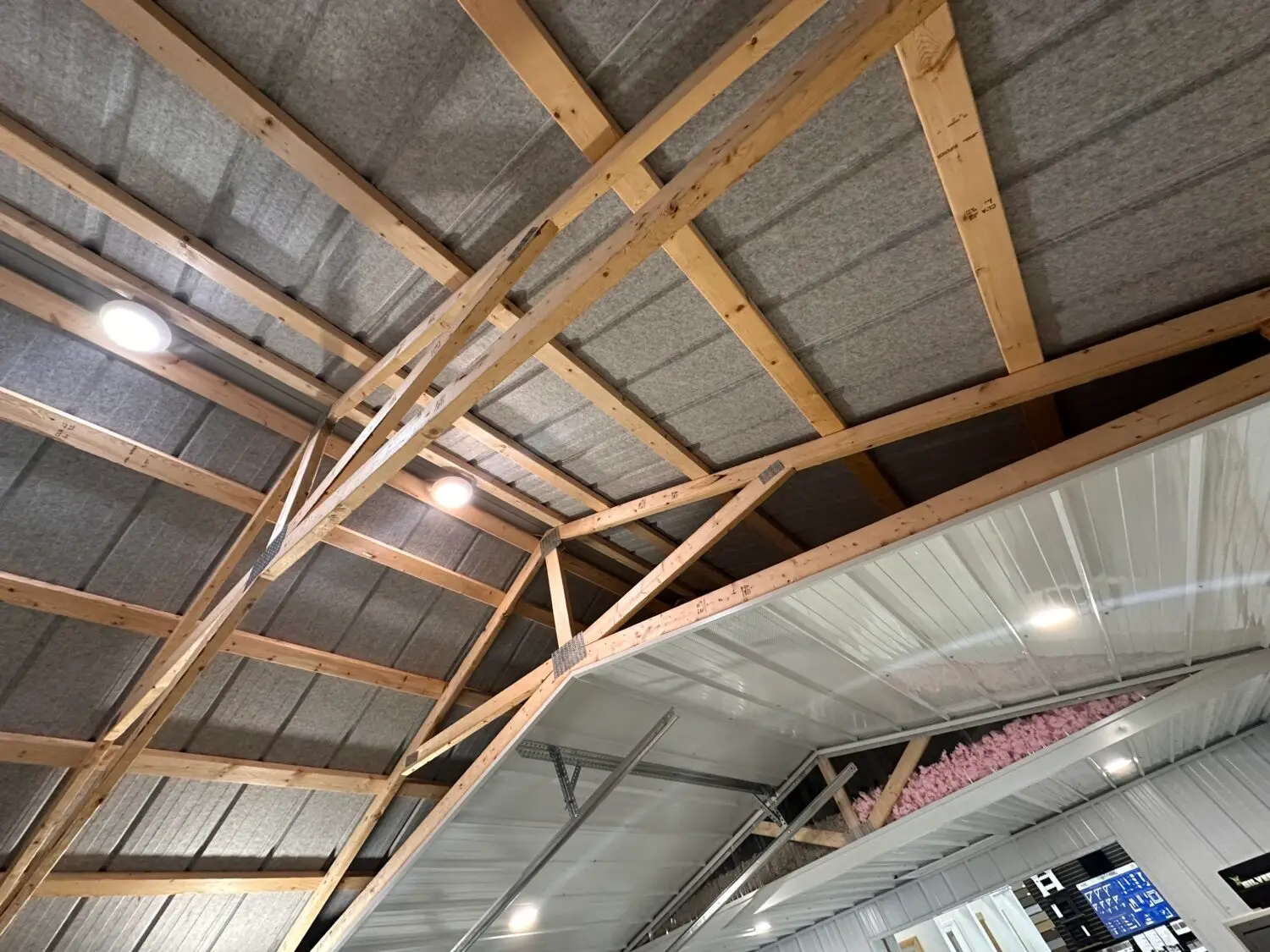
Standard wall girts and roof purlins are usually 2×4 or 2×6, spaced according to engineering requirements and building use. Exact sizes and spacing are set by your building plans and local load requirements, not by a one‑size‑fits‑all rule of thumb.
What size posts do you recommend for post frame buildings?
Common post sizes are 6×6 solid‑sawn or laminated posts built from multiple 2x members, with size and configuration driven by building height, spacing, and design loads. Some agricultural buildings may use 4×6 posts on a case-by-case basis. For taller buildings, heavier snow/wind loads, or wider spacing, larger or laminated posts are typically required.
What lumber species do you stock for post frame buildings?
We primarily stock softwoods that perform well in post frame construction, such as Southern Yellow Pine no. 1 and SPF no. 2 premium (spruce‑pine‑fir). Each is chosen for strength, fastener holding power, and availability in the lengths and sizes required for posts, girts, and purlins.
What lumber grades do you use?
For structural members (posts, headers, truss carriers, girts, purlins) we use graded material, typically No. 2 premium or better, and no. 1 SYP where loads require it. Non‑structural components may use different grades, but anything carrying load is specified to meet or exceed design requirements.
Get Started Now!
Our team is available Monday–Friday from 7 a.m. to 4 p.m and will be happy to assist.